

More women than ever are combining cosmetic procedures with active lifestyles.
According to data from the International Society of Aesthetic Plastic Surgery global statistics report, breast augmentation remains one of the most performed procedures worldwide. At the same time, participation in sports and recreational fitness among women continues to grow every year.
That naturally raises an important question. Can women safely practice sports after getting breast implants?
Many active women worry about performance, comfort, recovery time, and long term safety. Runners wonder about bounce and support. Gym enthusiasts question whether strength training could damage implants. Swimmers ask if intense shoulder movement affects healing.
The reassuring news is that most women can return to sports after breast augmentation, and many continue to train at a high level. However, there are important details to understand before returning to activity.
How Breast Implants Interact With Physical Activity

Many people assume implants are fragile or easily damaged by movement. In reality, modern breast implants are designed to withstand daily physical stress. The silicone shell is durable and the gel inside maintains structure even when pressure occurs.
For active women considering augmentation mammaire, surgeons typically discuss lifestyle during the consultation. Athletic habits often influence implant size, placement, and surgical technique.
Two main implant positions affect athletic comfort.
- Subglandular placement sits above the chest muscle and often allows faster recovery, although it may feel more noticeable during high impact sports.
- Submuscular placement sits beneath the chest muscle, which may provide a more natural appearance but requires longer recovery for athletes who rely heavily on upper body strength.
Many women return to running, cycling, yoga, and gym workouts without long term limitations. The body adapts quickly once tissues heal.
A realistic expectation matters. Athletic performance rarely changes dramatically after surgery, although some women report mild adjustments during the first months.
Recovery Timeline Before Returning to Sports
Healing is the most important factor when discussing exercise after breast augmentation. Returning to sports too early can create discomfort and increase swelling.
Doctors usually recommend a gradual timeline rather than a sudden return to full intensity.
The typical recovery progression looks like this:
- First week: Rest and limited arm movement. Walking is usually allowed to maintain circulation.
- Weeks two to three: Light activity such as gentle walking or stationary cycling can begin if approved by the surgeon.
- Weeks four to six: Lower body workouts and moderate cardio often become possible.
- After six weeks: Many women can resume running, strength training, and most sports.
Of course, recovery varies depending on surgical technique and individual healing speed.
Surgeons usually advise avoiding intense chest exercises until tissues have fully stabilized. Pushing too early may affect implant positioning during the healing phase.
Listening to the body is just as important as following medical instructions.
Choosing the Right Sports Bra After Breast Augmentation
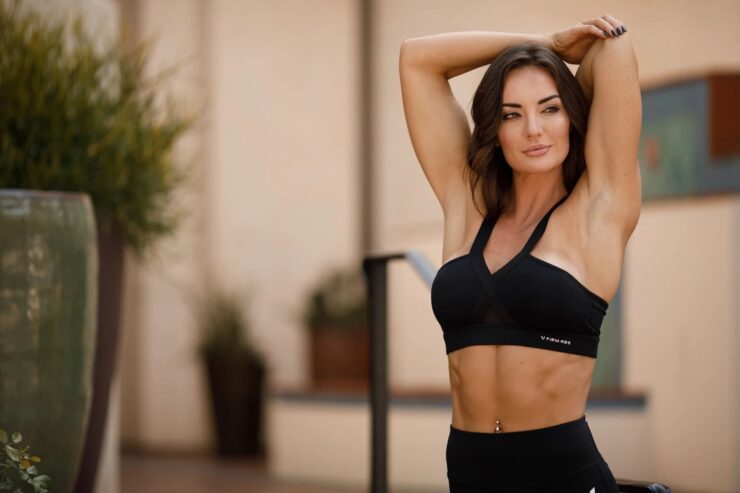
One of the most overlooked factors for active women with implants is proper support. A well designed sports bra significantly improves comfort during exercise.
Implants slightly increase breast mass, which means the chest experiences more movement during impact sports like running or aerobics.
The right sports bra helps stabilize the area and reduces strain on healing tissues.
Important features to look for include:
- High compression support, which minimizes vertical movement during activity
- Wide straps and band, distributing weight evenly across the chest and shoulders
- Moisture wicking fabrics, helping reduce irritation around healing scars
- Adjustable structure, allowing changes as swelling gradually decreases after surgery
Some women choose to wear surgical support bras for several weeks during workouts.
Studies from the University of Portsmouth’s Breast Health Research Group found that breasts can move up to 15 centimeters during running without proper support. Good sports bras reduce this movement significantly, improving comfort and long term tissue health.
Research from the University of Portsmouth’s Breast Health Research Group found that breasts can move up to about 15 cm during running without proper support. Proper sports bras significantly reduce this movement and help improve comfort during physical activity
Support truly makes a difference for active lifestyles.
Strength Training and Chest Exercises With Implants
Strength training raises one of the most common concerns among athletic women. Many worry that chest exercises could damage implants or alter their position.
In most cases, strength training remains safe after proper healing. However, technique and progression matter.
Exercises that directly engage the pectoral muscles should return gradually. This allows surrounding tissue to adjust to the implant and prevents discomfort.
Examples of chest exercises that should be reintroduced slowly include:
- Bench presses
- Push ups
- Chest fly movements
- Cable crossovers
Athletes often modify intensity during the first months after surgery. Lower weights with higher repetitions allow muscles to regain strength without excessive strain.
An interesting fact many athletes notice is that muscle engagement may feel slightly different at first. This usually fades as the body adapts.
Professional trainers sometimes recommend focusing on back and shoulder strength as well. Balanced upper body development supports posture and helps distribute training stress more evenly.
Possible Challenges Active Women Might Notice
While most women return to sports successfully, a few adjustments may occur along the way.
Some athletes report temporary changes in how their chest feels during movement. This is especially noticeable during high impact activities such as running or jumping.
The most common experiences include:
- A feeling of tightness during early workouts
- Increased awareness of chest movement while running
- Slight changes in balance during certain exercises
- Temporary sensitivity around surgical areas
These sensations typically improve within several weeks.
Another factor worth considering is implant size. Larger implants may increase bounce during intense activity. Women who train frequently often choose moderate sizes that complement their athletic lifestyle.
Many plastic surgeons discuss lifestyle habits during consultations. Athletes often receive personalized implant recommendations that balance aesthetics with long term comfort during movement.
Understanding these details helps women maintain confidence in both fitness and appearance.
Final Thoughts
Sports and breast implants can absolutely coexist. Thousands of active women continue running, lifting weights, swimming, practicing yoga, and competing in sports after augmentation.
The key lies in proper recovery, supportive gear, and realistic expectations during the first months after surgery. Gradual return to activity allows the body to adjust while protecting surgical results.
For women who love staying active, breast augmentation does not have to mean sacrificing fitness. With careful planning and medical guidance, most athletes return to the activities they enjoy.